

 Sponsored
Hormonal HealthEnergyMen 35+
Tired by 2pm and Softening Around the Middle? 10 Signs Your Testosterone Is Crashing.

Last updated: June 15th, 2026 · 4 min read
TLDR: Most men dismiss the early signs of declining testosterone as stress, age, or a rough week. They aren't. The drop starts in your late 20s and compounds quietly for a decade before the obvious symptoms force the issue. The signs below are the ones to take seriously now — and what to do about them.
-

1. Your Energy Crashes By 2pm
You started the morning sharp. By early afternoon, your eyes feel heavy and a second coffee feels mandatory just to get through the next meeting.
Testosterone underwrites cellular energy production and metabolic throughput. As T drifts, sustaining a flat energy curve becomes harder — and the afternoon crash becomes your new baseline.
It's the earliest visible sign for most men. It's also the most reversible.
-

2. Your Waistline Is Creeping Up Without Habit Changes
Same meals. Same training. Different body. The notch on your belt that fit last spring is snug at the buckle now.
Lower testosterone shifts how your body partitions calories — favoring fat storage at the midsection and softening the lean-muscle signal. The mirror is reflecting a hormonal shift, not a discipline shift.
-

3. Your Workouts Feel Harder But Deliver Less
You're showing up to the gym. You're putting in the effort. The progress just isn't matching the work the way it used to.
Testosterone is the chemical signal behind protein synthesis, strength expression, and recovery. When T drops, your body loses the instruction to repair and rebuild — so you're working as hard for a fraction of the output.
-

4. You Feel Less Driven Than You Used To
Not depressed. Not broken. Just… less hungry for the things that used to pull you forward.
Testosterone influences dopamine sensitivity, motivation, and the competitive edge that drives men to chase outcomes. Gradual decline dims your drive long before it shows in any obvious way.
It feels like personality change. It's biology.
-

5. Hard To Build Muscle, Easy To Lose It
You used to add muscle almost by accident. Now you're fighting to keep what's already there.
Testosterone preserves lean tissue and accelerates the recovery cycle between sessions. Less T means the catabolic side wins more often than the anabolic side — the math just stops favoring you.
-

6. Fatigue Feels Mental Not Physical
This isn't post-workout tired. This is brain-fog tired, the kind where the day was fine but you have nothing left for it by 8pm.
Testosterone supports neurotransmitter output, oxygenation, and metabolic flow to the brain. When T drops, mental work costs more energy than it should.
-

7. You Need Caffeine Just To Function
Coffee used to be a morning ritual. Now it's load-bearing infrastructure.
When testosterone slips, cortisol fills the gap — but cortisol borrows energy you don't have. Each cycle of caffeine and crash deepens the hole underneath. The fix isn't more coffee. It's restoring the floor.
-

8. Recovery Takes Longer Than It Should
Minor soreness lingers. Small tweaks turn into week-long setbacks. The gap between productive sessions keeps widening.
Testosterone is what tells your body to repair tissue, regulate inflammation, and rebuild stronger overnight. Less of it, slower recovery, fewer productive workouts per month.
-

9. Libido Has Quietly Dropped
This usually isn't the first sign to shift — but it's the one you can't ignore once it does.
Testosterone is foundational to sexual interest, performance, and responsiveness. A gradual decline reduces interest before it reduces performance. Most men chalk it up to stress for years before they connect the dots.
-

10. Being Told You're "Normal" Doesn't Match How You Feel
Lab panel comes back "normal." Friends say it's just age. The advice is to lower expectations.
Most men notice shifts in energy, body composition, and drive long before bloodwork picks up anything off. "Normal" means your numbers fit the population average — not your personal baseline.
The version of you from five years ago is the data point that matters.
If you made it this far, it means one thing:
You're not willing to accept this as the new normal.
Most men brush off the first few signs as "just life." By the time the rest of the list shows up, the slide has been compounding for years.
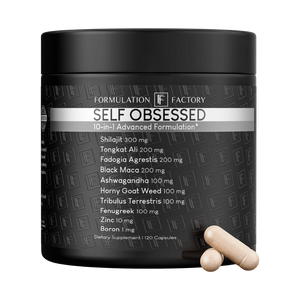
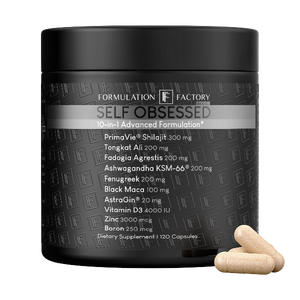
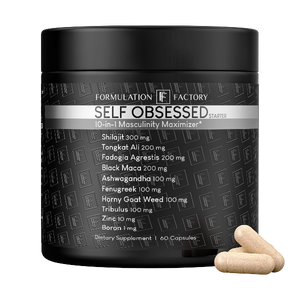
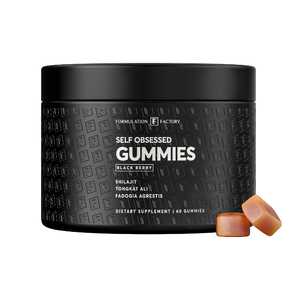
That's why we built Self Obsessed — a full-dose protocol designed to support healthy testosterone, energy, recovery, and metabolic function. The system, not the symptom.
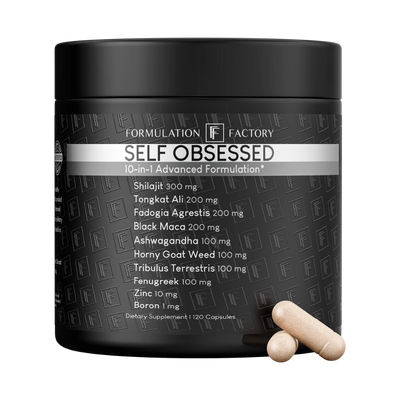
Restore your floor. Reclaim your edge.
Clinically-dosed protocol targeting the upstream causes of T decline — energy, drive, recovery, and composition.
Try It Now →✓ 100-day money-back guarantee · Free shipping
"So blown away. Not even a week in."
Still Not Sure? Here Are The Top Questions We Get About Self Obsessed
Will this still work if I'm already working out and eating clean?
Do I need a blood test first?
Is it a fat burner?
What's in Self Obsessed?
Who is it for?
How do I take it?
How long until I see results?
Can it help with energy?
Will it improve my strength?
Do I need to cycle?
Do I need a subscription?
What's the 100-day guarantee?