


When you look at a supplement bottle today, it is almost impossible not to spot the phrase "Third-Party Tested" proudly stamped on the label. In a crowded marketplace where brands are constantly fighting for your attention, it has become one of the most popular buzzwords in the wellness industry.
But due to the fact that the dietary supplement industry is not strictly regulated the same way prescription medications are, anyone can print a shiny badge on a bottle.
If you want to protect your health and your wallet, you need to understand what happens behind the scenes when a brand moves past marketing claims and invests in real verification. Here is what independent testing actually means, what it checks for, and the baseline standard you should look for before buying any formula.
The Core Concept: In-House vs. Independent Verification
To understand the value of a third-party test, you have to look at the conflict of interest inherent in standard manufacturing. When a brand creates a product, they perform their own internal quality checks. This is called "in-house" or "first-party" testing.
While in-house testing is a necessary step in production, it lacks objective oversight. A brand has a financial incentive to get their product to market as quickly and cheaply as possible.
Third-party testing introduces an completely independent, accredited laboratory into the equation. This laboratory has no financial stake in the brand's sales, no relationship with their marketing department, and no incentive to alter results. They are paid strictly to analyze a sample and report the scientific truth about what is inside the batch.
The Proof is in the Certificate of Analysis (CoA)
If a company claims their products are independently tested but cannot show you the paperwork, the claim is meaningless. The ultimate deliverable of a successful third-party test is a document called a Certificate of Analysis, or CoA.
A CoA is a formal lab report that outlines the exact testing methods used, the specific batches analyzed, and the precise pass or fail results for every contaminant and active ingredient.
Transparent brands make these reports easily accessible to the public, often by linking lot numbers directly to their website or placing a scannable QR code right on the product packaging. If a brand hesitates to share their CoAs, or if the documents are outdated, it is a clear sign to look elsewhere.
The Transparent Standard
Investing in your wellness requires clear data, not blind faith. A badge on a bottle is only as good as the laboratory report backing it up.
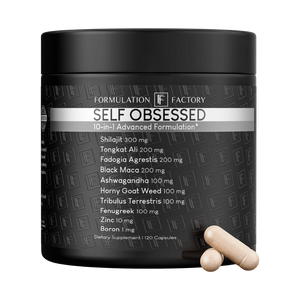
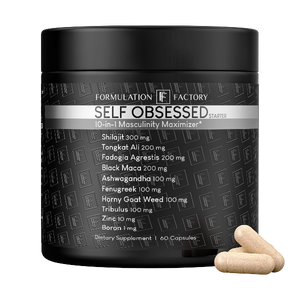
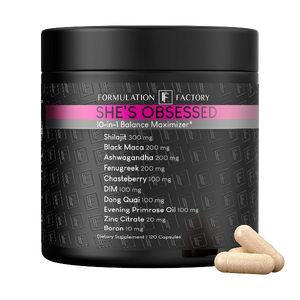
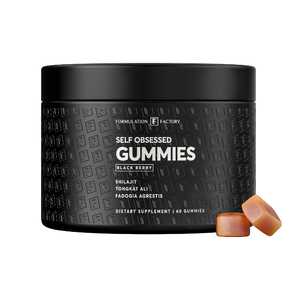
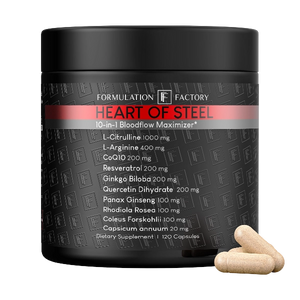
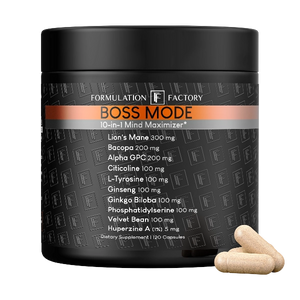
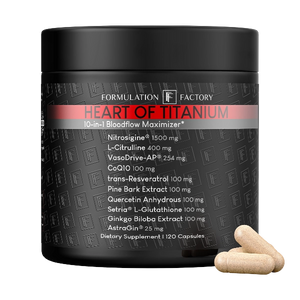
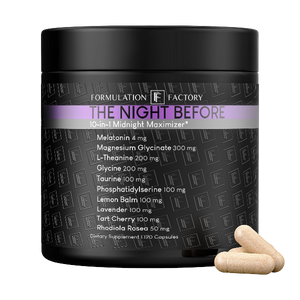
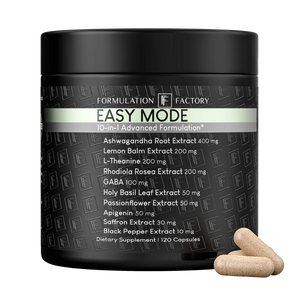
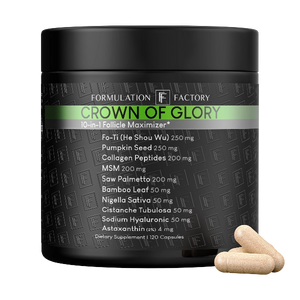
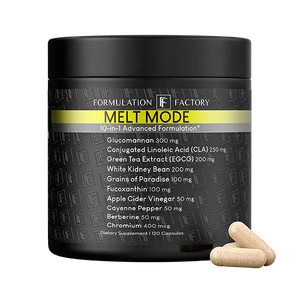
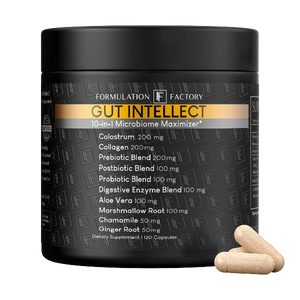
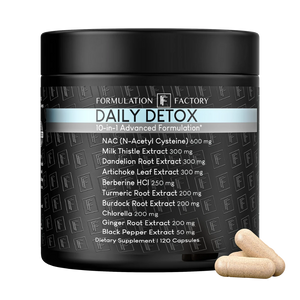
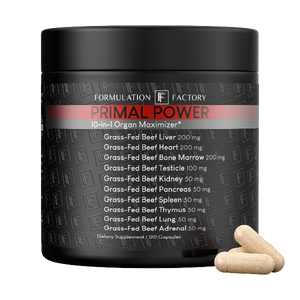
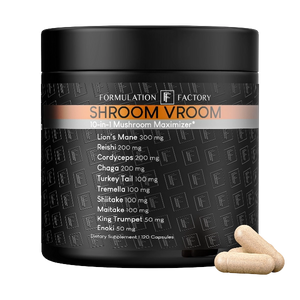
At Formulation Factory, we don't believe quality should be a mystery or a marketing tagline. We eliminate the guesswork by ensuring that every single production lot is independently third-party tested for purity and potency in a verified, GMP-compliant facility right here in the USA. Our up-to-date lab results and full milligram breakdowns are completely accessible to our community, setting a baseline standard where data integrity and radical transparency always come first.